/ By The Thyolo House
Tea Estates Malawi: A Visitor's Guide to Thyolo, Mulanje & Conforzi
A journal from a boutique lodge in the Thyolo highlands. These are notes from our corner of Malawi — places we love, walks we've done ourselves, operators we've watched do good work. The mountain treks, tea-estate tours, and day trips are all run by independent operators in Malawi; book those directly with them. Come stay with us before or after — we'll do the room, the meal, and the quiet.
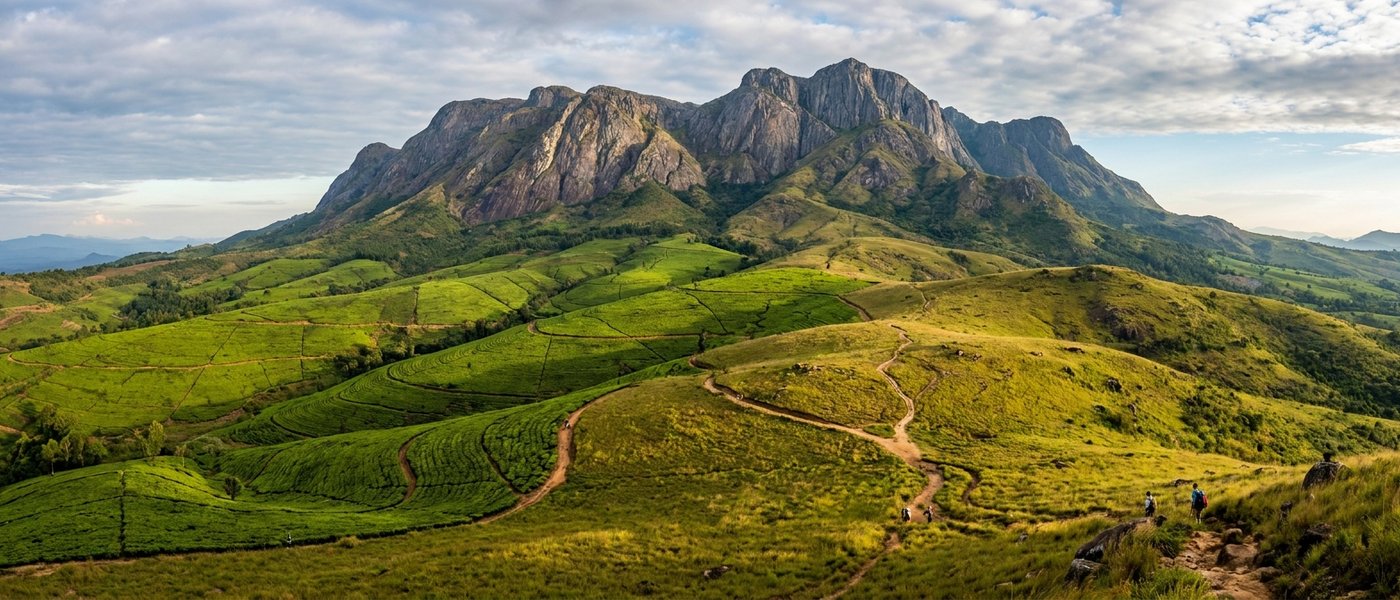
When people picture Malawi, they tend to think of the lake — that long sapphire mirror on the map. But climb up into the Shire Highlands in the country's southern tip and you'll find a different landscape altogether: a vast, undulating green carpet of tea bushes stretching to the horizon, broken only by the granite shoulders of Mount Mulanje and the blue distance of the Lower Shire Valley. The tea estates of Malawi are one of Africa's oldest and most quietly beautiful agricultural landscapes, and they remain largely undiscovered by international travellers. If you're planning a visit through southern Malawi, a day — or better, a few nights — on a working tea plantation belongs firmly on the itinerary.
This guide walks you through the tea country worth knowing about: Thyolo, the historic plantations around Mount Mulanje, and the wider story of how tea came to shape these highlands. We'll cover where to stay, what to see, and when to come.
Why Malawi's Tea Estates Are Worth the Detour
The short answer: because nowhere else in Africa looks quite like this. Malawi was the first country on the continent where tea was planted commercially — in 1908 — and more than a hundred years of careful cultivation have turned the Shire Highlands into something that looks, in the writer's phrase, like a "primly trimmed garden" only vast. The bushes are pruned to knee height in endless undulating rows. Women in bright chitenje fabrics move slowly through them with plucking baskets on their backs. At dawn, mist pools between the rows and then burns off in slow sheets as the sun climbs over Mulanje.
The estates are also functional working landscapes, not theme parks. Some neighbouring estates offer third-party field access or other activities by advance arrangement, but access changes and should be confirmed directly before travel. The surrounding tea farms remain working farms first, so visitors should treat the fields as active agricultural land rather than open walking routes.
Add in the fact that the tea estates of Malawi sit in the middle of some of the country's best walking country, closest to Mount Mulanje and Majete Wildlife Reserve, and you have the making of a genuinely rewarding stop.
A Short History — How Tea Came to the Southern Highlands
The first seeds were planted experimentally near Blantyre by Scottish missionaries in the 1880s, but commercial planting didn't take hold until 1908, on estates in Mulanje and Thyolo. The climate suited it almost too well: high altitude (600–1,200 metres), reliable rainfall, rich red soils, and the cool drift of air off the Mulanje massif. Within two decades the Shire Highlands were dotted with estates — Lauderdale, Esperanza, Ruo, Makwasa, Satemwa — many of them planted by Scottish, English and Italian settlers who came up through Nyasaland in search of land.
The Italian thread is the one most relevant to this story. In 1907, an Italian settler named Ignaco Conforzi bought a plot of farmland in Thyolo and, over the decades that followed, built what is today one of the most distinctive estates in the country. You can read the full story of the Thyolo highlands in our companion post — it's a family saga that takes in three generations, two world wars, and a continuous Italian-Malawian stewardship that has lasted more than a century.
Today the industry is the country's second-largest foreign exchange earner after tobacco, employing more than 50,000 people across Thyolo and Mulanje. Much of the leaf you see in supermarket teabags across the UK — PG Tips, Tetley's, Lipton — began its life on these hillsides.
The Thyolo Highlands, Thyolo — A Century of Italian Stewardship
Of all Malawi's tea districts, Thyolo is the one we know best, because The Thyolo House sits on a historic property that was once part of the Conforzi Tea Estate. Today The Thyolo House is a separate boutique hotel and restaurant owned and hosted by Flavia Conforzi, an Italian-Malawian artist with deep family roots in the district.
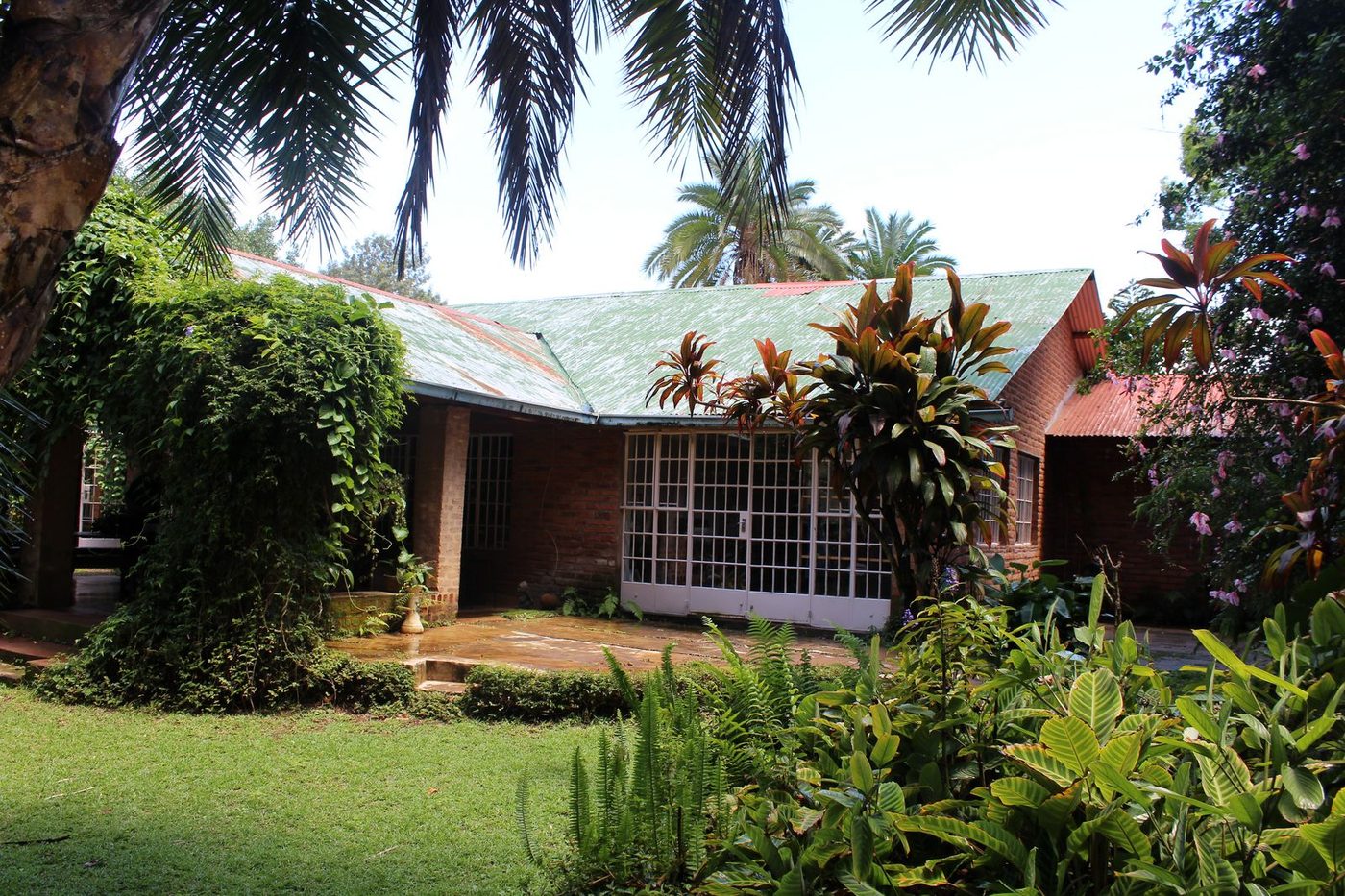
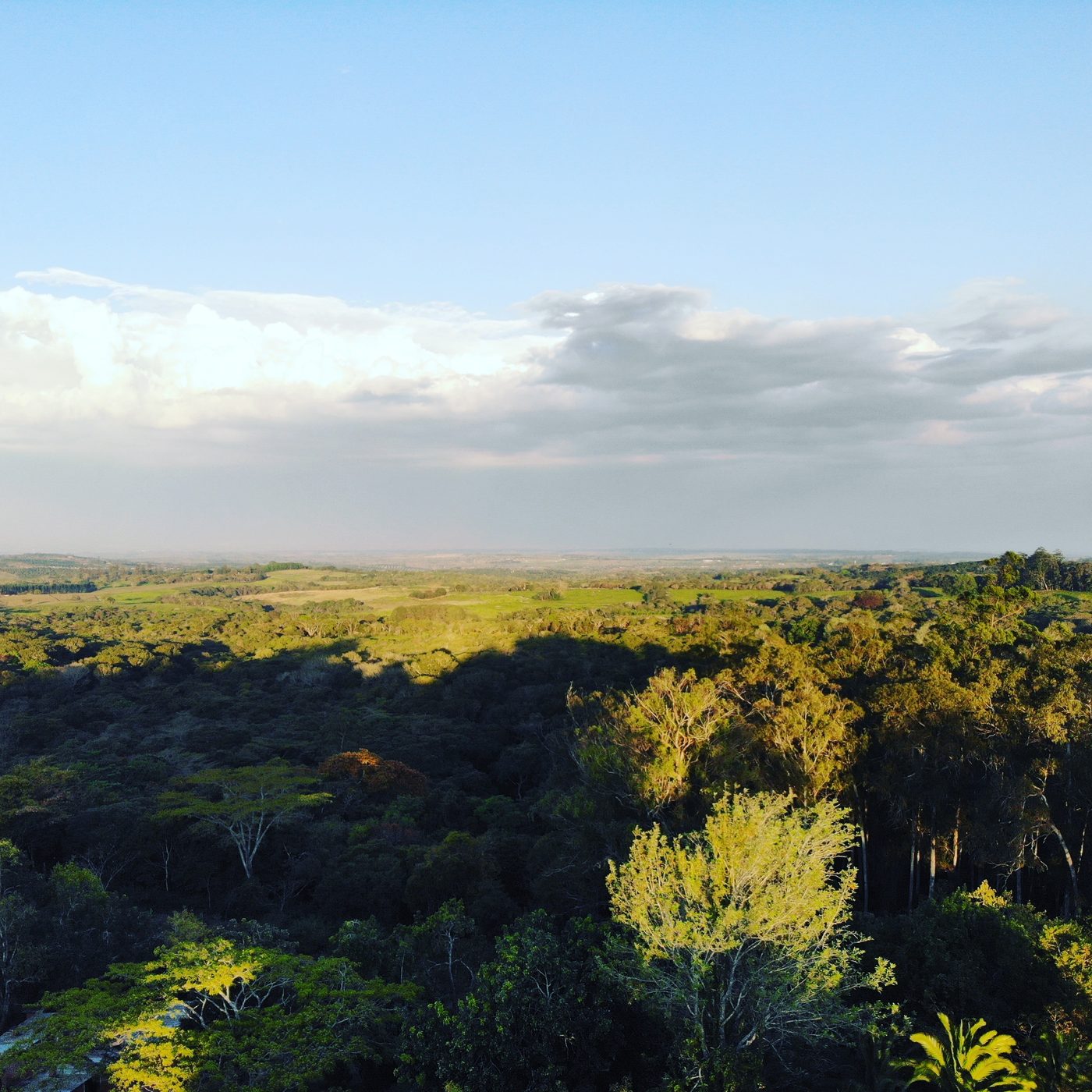
What makes Conforzi different from the larger commercial estates isn't scale — it's character. The property has kept its historic character, with a restaurant, a pool, an art studio and quiet garden spaces, while keeping working tea operations separate from guest activities. The indigenous forest fragments in the wider highlands are a genuine fragment of old Thyolo montane forest, full of samango monkeys, crowned eagles and the endangered Thyolo Alethe — a shy forest thrush found almost nowhere else on earth.
Guests staying at The Thyolo House can enjoy the landscape, gardens, restaurant, pool and art studio. Formal tea programmes, third-party field access and third-party factory access are not offered as a house activity.
Mulanje's Tea Plantations — Where the Mountain Meets the Leaf
An hour's drive east of Thyolo, the landscape changes. Mount Mulanje — an immense granite massif rising to 3,000 metres — dominates the horizon, and the tea estates around its base sit at slightly lower altitudes (600–800m) in a microclimate watered by the mountain's catchment. This is where you'll find the estates of Lujeri, Esperanza, Lauderdale and Ruo, along with smaller producers like Thornwood, Phwazi and Limbuli.
The Mulanje estates have a different feel to Thyolo's. They're bigger, more industrial, and set against one of the most dramatic mountain backdrops in Africa. Lujeri Tea Estates is the second-largest producer in the country and works with the Sukambizi Association Trust — 5,700 smallholder farmers who collectively produce over 1.5 million kilograms of CTC black tea each year. Eastern Produce Malawi, which owns several of the historic Mulanje estates, accounts for around 38% of the country's tea exports.
For visitors, Mulanje is the combination that is hard to beat: a morning in tea country, an afternoon hiking into the Mulanje massif, and an evening back down in the valley. Our dedicated guide to Mulanje's tea estates gives broader regional context.
What to Expect in Tea Country
Tea country is best approached as a working landscape. You will see fields, factories, pickers, forest patches and estate houses from the road and from places where visitor access is clearly allowed. Some estates in the wider region may arrange activities by advance booking, but availability varies and should be confirmed directly with the estate concerned.
Working plantations
The tea rows are active agricultural areas, with machinery, staff movement and farm schedules that change by season. Do not assume that a field is open for walking because it looks quiet from the road.
Forest and gardens
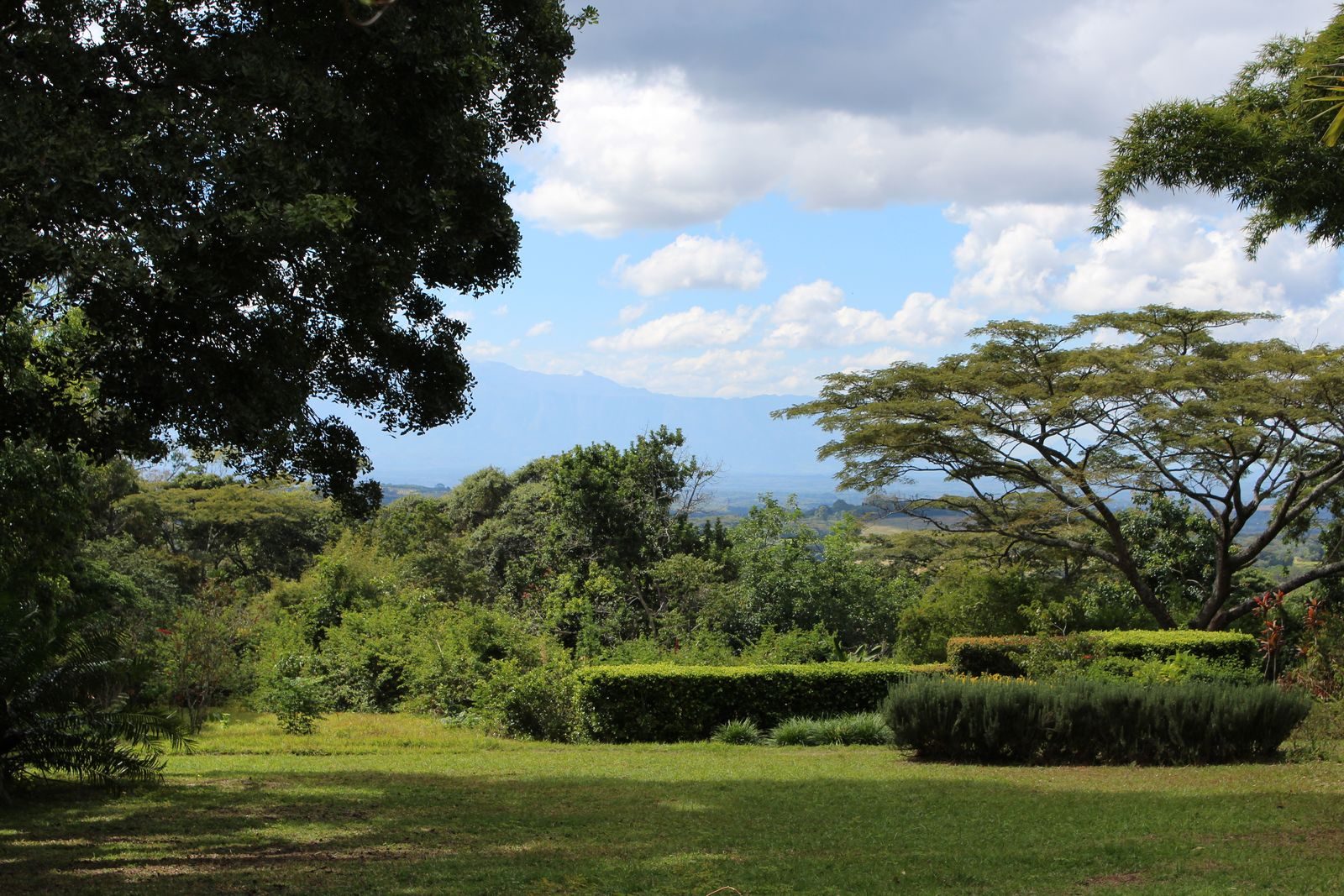
The most reliable visitor experiences in Thyolo are the quieter ones: garden stays, forest-edge views, birding where access is permitted, good food, and time in the highland air.
If you want to visit a specific tea factory or neighbouring estate activity, confirm directly before travel. third-party field access, third-party factory access and formal tea programmes are not offered as house activities.
Where to Stay — The Thyolo House
Accommodation on the tea estates of Malawi falls into three categories. There are historic family homes converted into boutique lodges — Huntingdon House on Satemwa and The Thyolo House are the two best-known. There are a handful of simpler estate guesthouses on some of the larger Mulanje plantations. And there's Blantyre itself, 40 minutes away, which has a range of business hotels if you're happy to drive in and out each day.
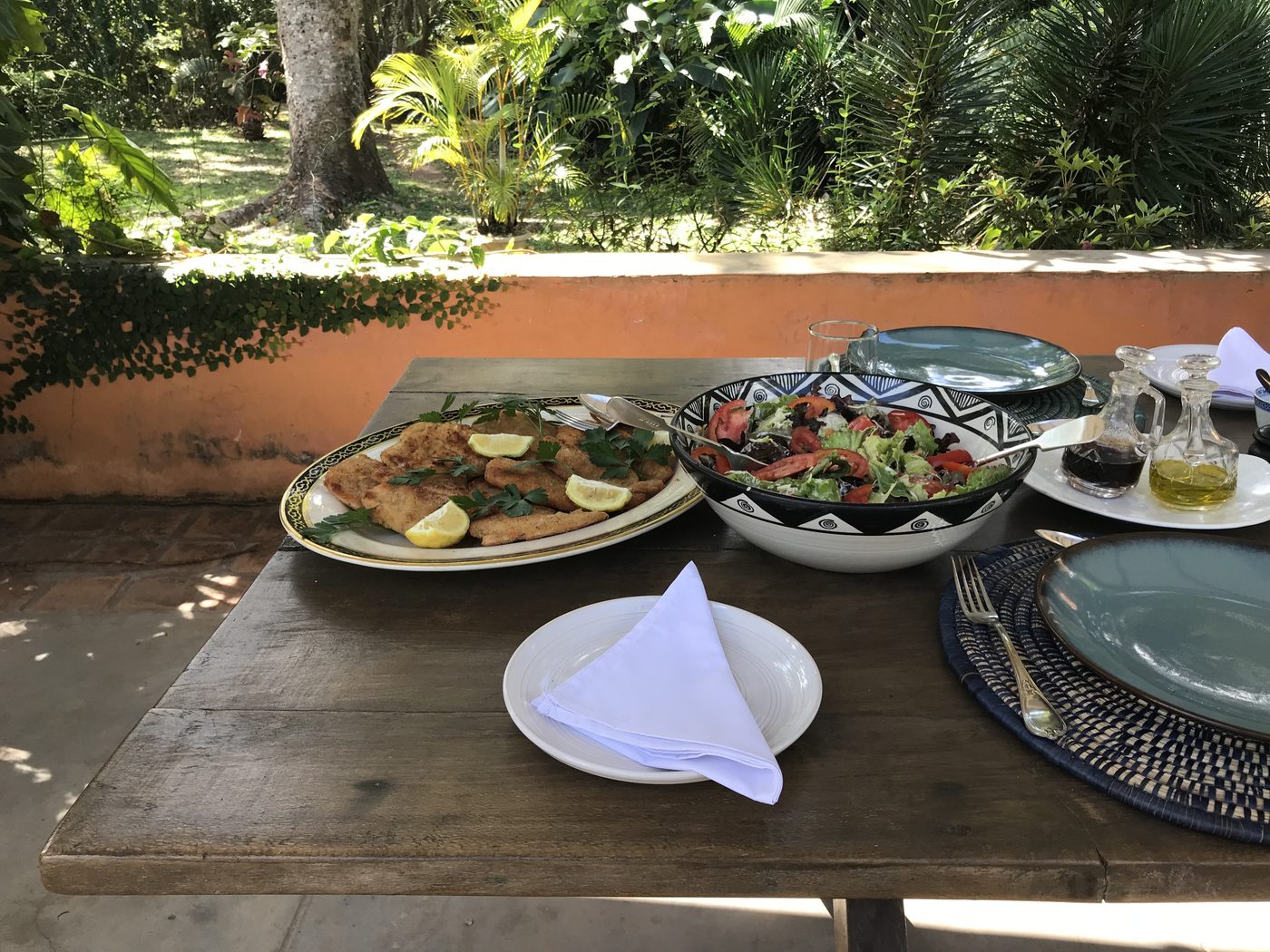
We're biased, of course, but we'd argue that staying at The Thyolo House itself is the whole point. Waking up with tea bushes outside your window, walking to breakfast through a century-old garden, and eating dinner in a restaurant whose vegetables come from the kitchen plot thirty metres away — that's a different experience from commuting in from a city hotel.
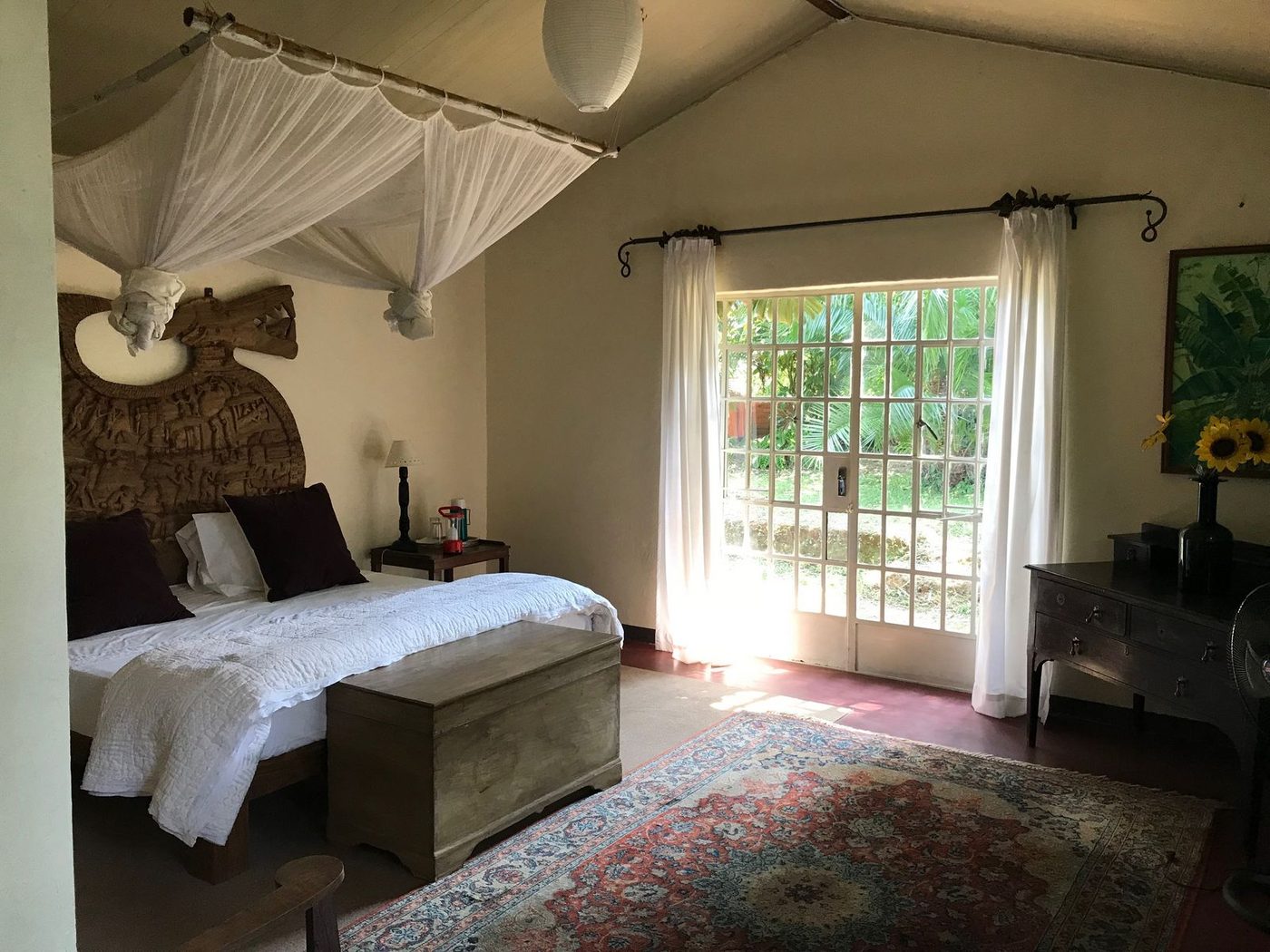
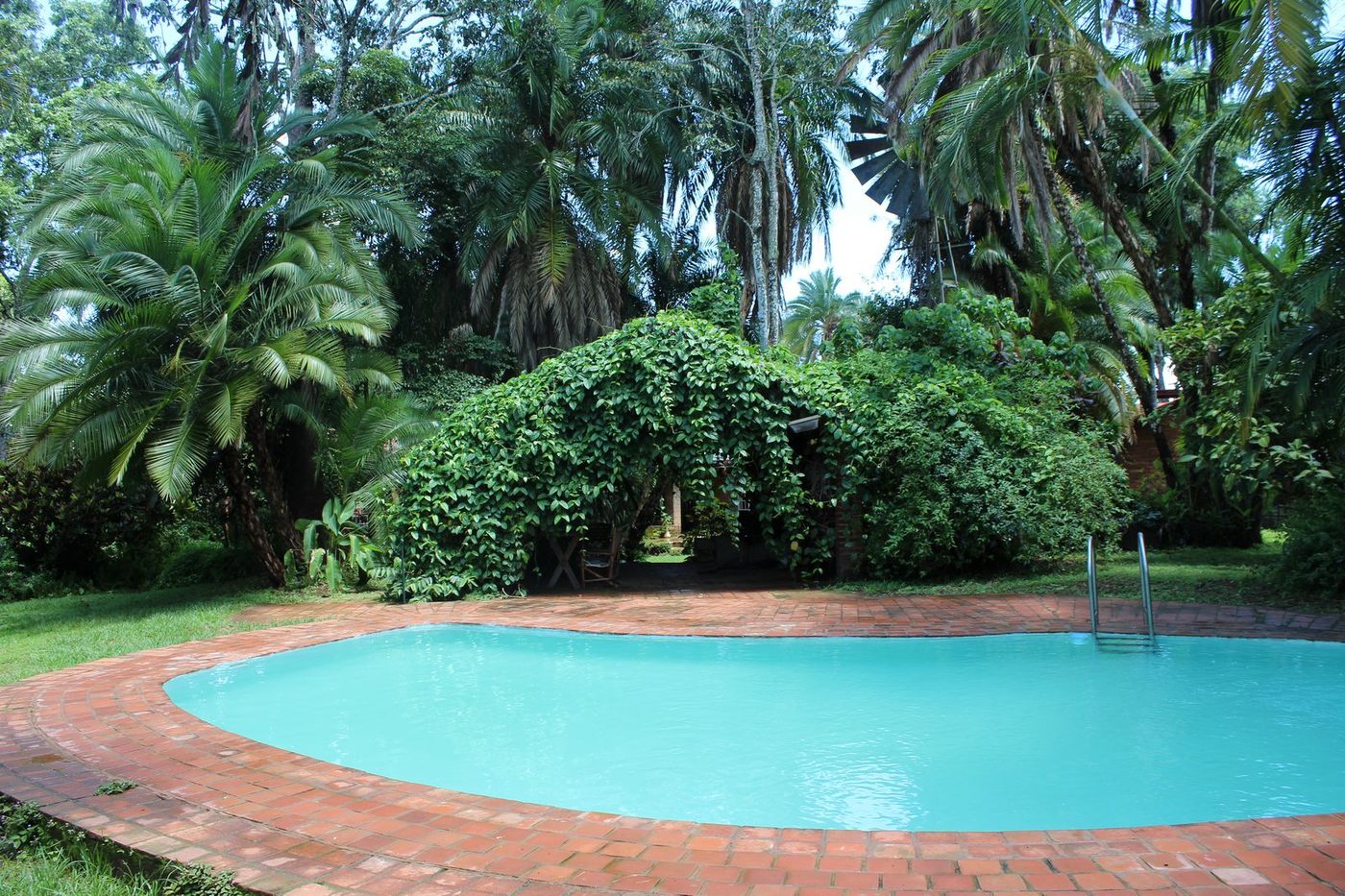
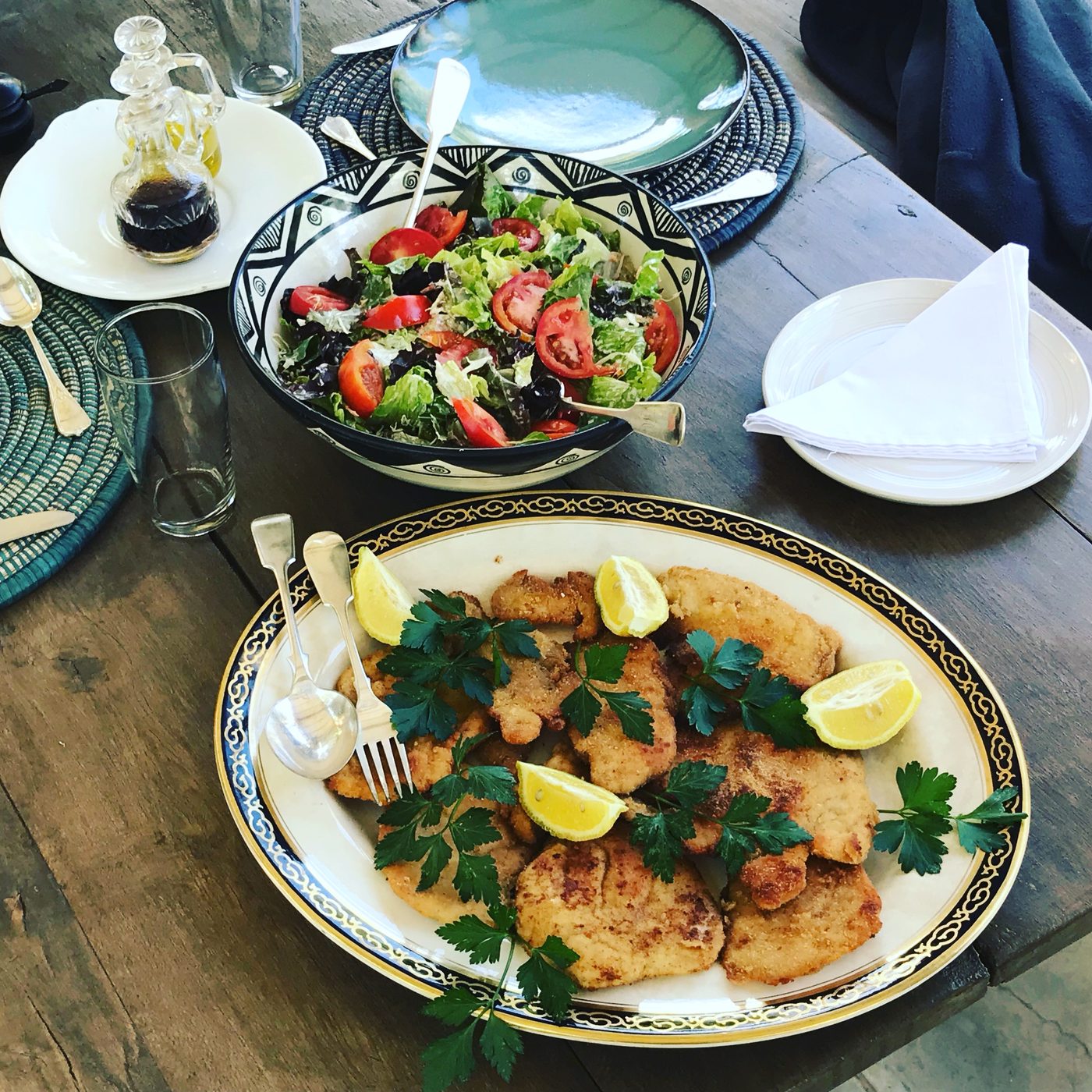
The Thyolo House is a five-room boutique hotel and Italian restaurant on a historic property that was once part of the Conforzi Tea Estate. Flavia Conforzi, the owner, is a third-generation Italian-Malawian, a working artist and a warm host — the hotel feels more like a private home where you happen to be welcome than a corporate lodge. The restaurant runs Italian fusion: handmade pasta, wood-fired pork chops, seasonal vegetables from the garden, and a short but thoughtful wine list. There's a pool tucked behind the main house, an art studio where Flavia hosts occasional workshops, and several quiet paths through the gardens and toward the indigenous forest. You can see the boutique rooms and book directly through the site or by WhatsApp.
Best Time to Visit and How to Get There
The tea plucking season runs roughly from November to May, with the factories at their busiest from December through April. This is also Malawi's green season — the hills are at their most lush, and the photography is spectacular, though you'll want to allow for afternoon showers. The dry winter months (June to September) are cooler and less dramatic to look at but excellent for walking and birding; night temperatures in Thyolo can drop to single digits and a fire in the lounge is welcome.
Getting to the tea estates is straightforward. Fly into Blantyre's Chileka International Airport — direct flights connect from Johannesburg, Addis Ababa and Nairobi. From there:
- Blantyre to The Thyolo House: about 40 minutes by road, or 20 minutes from Limbe.
- Thyolo to Mulanje's tea estates: roughly an hour's drive further east.
- Lake Malawi to the tea country: around 4 hours from Mangochi or Cape Maclear.
Roads in the tea country are mostly sealed and straightforward, though a 4x4 helps if you're planning to leave the main estate tracks. Most visitors simply hire a driver-guide in Blantyre for the duration of their stay, which avoids the hassle of self-driving.
Beyond the Tea — independently arranged forest visits, Birding & Art in the highlands
A tea country holiday doesn't have to be only about tea. The Thyolo highlands and neighbouring estates sit in some of the richest biodiversity in southern Malawi, and there is enough nearby to fill several slow days without treating working fields as visitor space.
Forest and highland forests
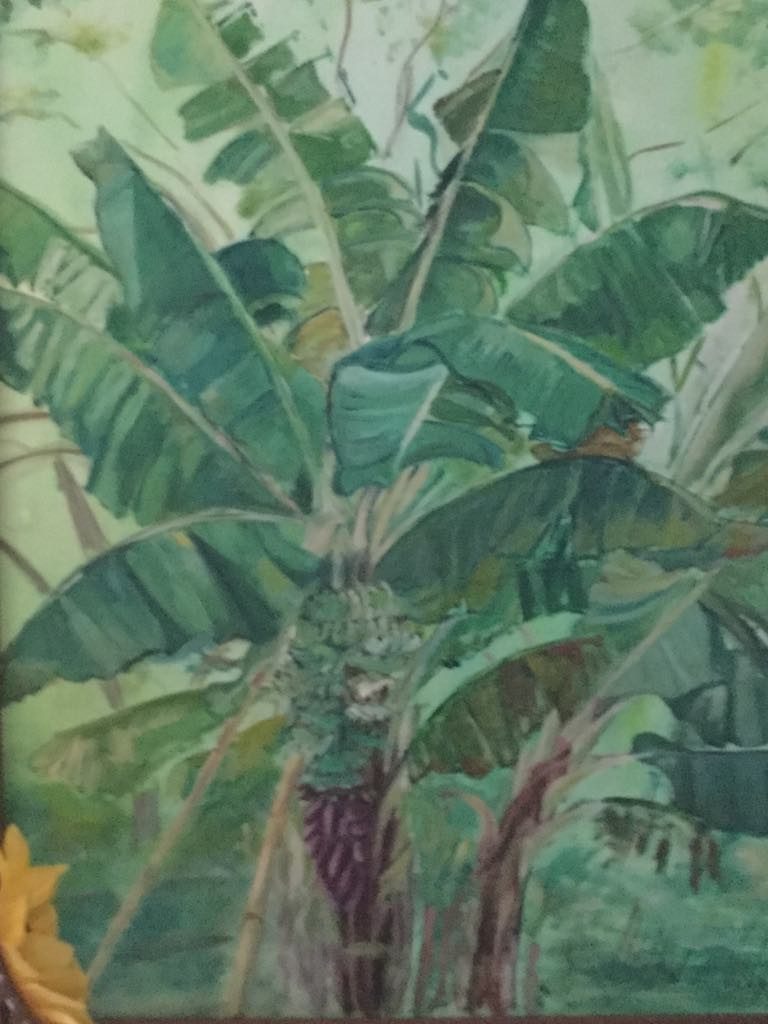
The upper part of the Thyolo highlands preserves a fragment of Thyolo montane forest — one of the last remnants of the evergreen forest that once covered much of the escarpment. Local outings take you along cool, shaded paths with sudden openings onto the tea plantations below.
Birding
Southern Malawi is one of Africa's underrated birding destinations. In the wider Thyolo highlands, birders regularly tick Livingstone's turaco, Schalow's turaco, green-headed oriole and — with luck and patience — the endangered Thyolo Alethe, a small, rufous-backed forest thrush that is a global lifer for most serious listers. Eagles, barbets, sunbirds and the occasional crowned eagle round out the list.
Art, food and slow afternoons
Flavia occasionally runs short art workshops for guests who want to try watercolours or sketching in the gardens. The restaurant is open to outside diners as well as hotel guests, and Sunday lunch — long, Italian, shared — has become a quiet institution for expats and visitors from Blantyre.
Planning your visit
We can confirm availability for rooms, meals and any art workshop dates at The Thyolo House. Birding, estate visits, guides, drivers and nearby regional stops must be arranged directly with the relevant operators. The easiest way to reach us is to message us on WhatsApp, or email thethyolohouse@gmail.com. We reply personally, usually within a day, about The Thyolo House availability. Drivers, guides and onward bookings to Mulanje or the lake must be arranged directly with those providers.
The tea estates of Malawi aren't a bucket-list attraction in the usual sense. There are no queues, no entrance fees, no tour buses. What there is — and what has kept travellers coming back for decades — is a landscape of extraordinary beauty, a slower rhythm of life, and a cup of tea grown within sight of where you happen to be drinking it. It's a quiet pleasure. We'd be delighted to share it with you.