/ By The Thyolo House
Tea Farms Malawi: A Host's Practical Visit Tips
A journal from a boutique lodge in the Thyolo highlands. These are notes from our corner of Malawi — places we love, walks we've done ourselves, operators we've watched do good work. The mountain treks, tea-estate tours, and day trips are all run by independent operators in Malawi; book those directly with them. Come stay with us before or after — we'll do the room, the meal, and the quiet.
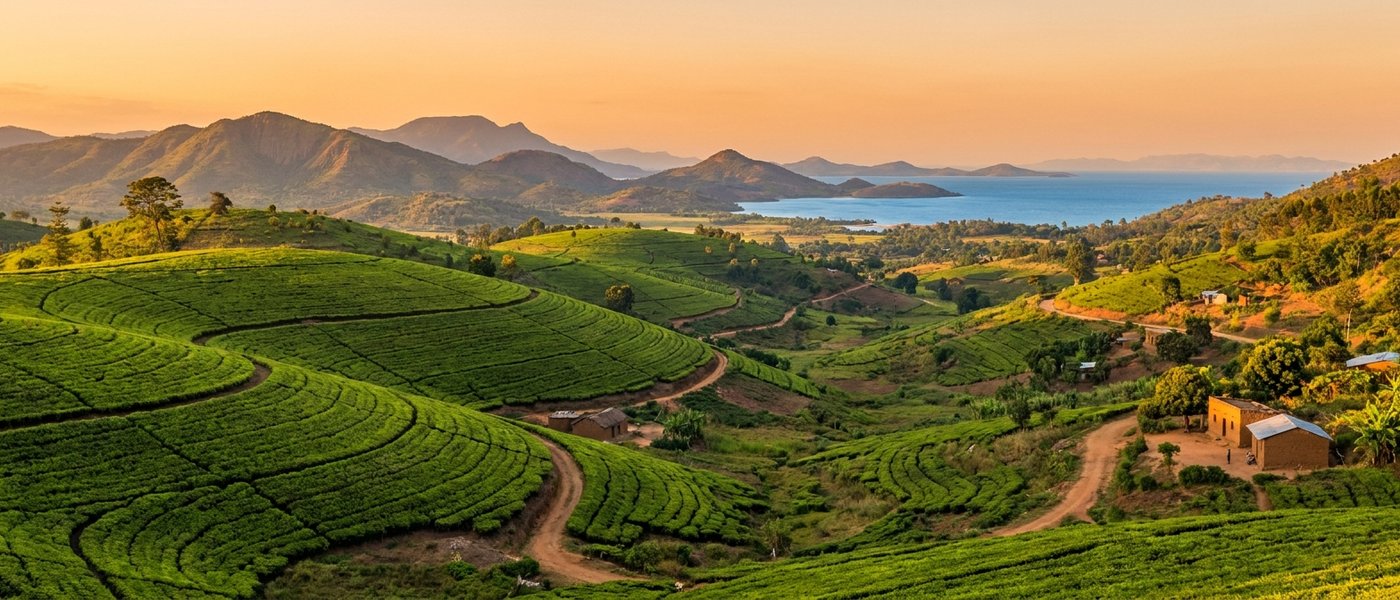
If you've been planning a visit to southern Malawi and the phrase tea farms Malawi keeps appearing in your itinerary research, you're in good company. The rolling green corduroy of Thyolo and Mulanje is one of the most photographed landscapes in the country — and one of the most misunderstood by first-time visitors. As a host in Thyolo tea country, I get the same questions every week: when should I come, what should I wear, do I need to book, and how do I avoid feeling like a tourist trampling through someone's workplace. This guide answers all of that honestly, from the inside.
Malawi is the second-largest tea producer in Africa, sitting just behind Kenya, and the industry here has been running since 1908 — older than most people realise. In 2026, the country is on track to produce around 51,000 metric tons of tea, with most of it grown in the Thyolo and Mulanje highlands. That history is part of why visiting the tea farms Malawi is famous for feels different from a quick agritourism stop elsewhere. These are living, third- and fourth-generation family propertys, not theme parks. Treat them as such and you'll have a far better day.
When to Visit Tea Farms in Malawi (And When to Skip It)
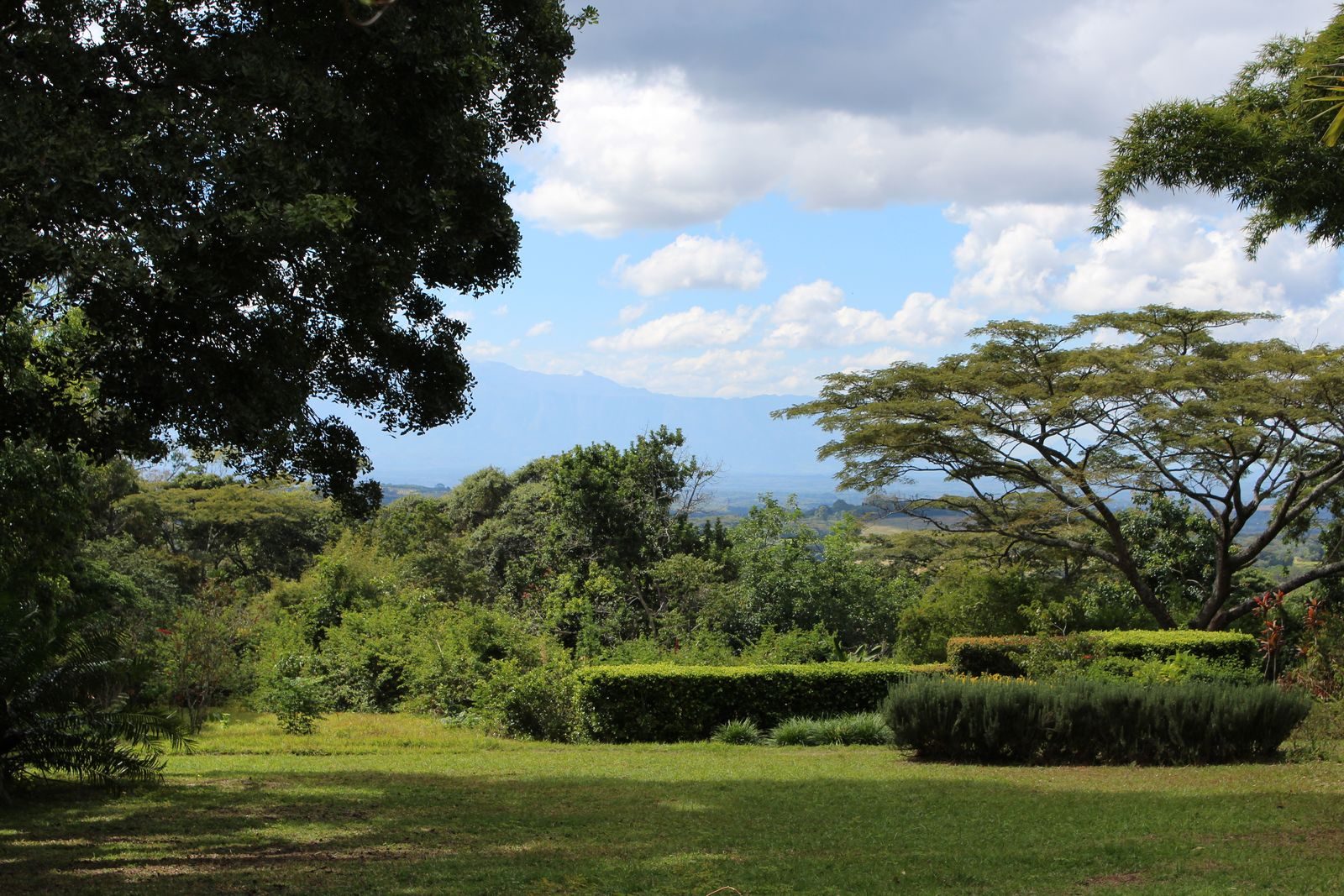
The honest answer: May to early October is the easy window. The rains have stopped, the roads up to the estates are firm, the light is clean, and the fields are still green from the wet season. June and July are the photographer's months — cool mornings, mist rising off the slopes of Mulanje, jacaranda finishing and bougainvillea starting. August and September are warmer and drier, with excellent visibility from the viewpoints above the estates.
November through March is the green-rains season. The tea looks spectacular — almost luminous after a storm — but you are gambling with the weather. Estate roads turn to red mud, and any off-site estate activity can be cancelled at short notice by the operator if a delivery truck is stuck, and the pluckers work shorter days. If you come in this window, build in a flexible afternoon and pick accommodation with a fireplace, a covered veranda or a covered pool deck so a wet hour doesn't derail your whole day.
The one window some visitors avoid is the last two weeks of April. The rains are tapering, some third-party estate access tracks may not have dried out yet, and factories may be between processing peaks. If you are arranging an independent visit directly with an estate or operator, confirm what is actually available before travel. If you have a choice, push to mid-May.
What about plucking season?
People often ask when they'll see "the pluckers in the fields." The answer is: nearly always. Tea is plucked year-round in Malawi, with peak volumes from October to April. So even in the dry months you'll see plucking gangs in the early morning and late afternoon — they simply work earlier to dodge the heat. If watching the plucking is your priority, ask your accommodation to schedule your estate visit before 9am.
What to Wear and Bring: A Tea Country Host's Packing Notes
Tea estates are working agricultural sites at altitude (600–800m for Mulanje, around 1,000m for parts of Thyolo). Two things follow from that: it's cooler than Blantyre, and you'll be walking on uneven ground. Most disappointed visitors I meet underestimated one or both.
- Closed shoes. Trainers or light hiking shoes. The plucking paths are narrow, slippery after rain, and occasionally crossed by snakes in the warmer months. Sandals are a bad idea even in dry season.
- Long trousers or thicker leggings. Tea bushes are waist-high and the leaves are surprisingly scratchy. Shorts will leave you with red lines on your shins.
- A light layer. Mornings in June and July hover around 10–12°C up in the highlandss. By 11am you'll be in a t-shirt. Pack accordingly.
- A hat and sunscreen. No shade in the fields. The equatorial sun at altitude is stronger than you think.
- Water. Most factories don't sell it. Bring a refillable bottle — your accommodation can refill it.
- Cash in small Kwacha notes. For tipping Your guide (MWK 5,000–10,000 is standard), buying tea direct from the factory shop, or paying for a pickup-truck ride to a viewpoint.
- A real camera if you have one. Phones do fine, but the contrast between the green fields and the red soil rewards a proper lens.
One thing I always tell guests: leave the white linen for the restaurant. Red dust gets into everything on a tea country, and the laundry never quite gets it out.
How to Book a Tour — Walk-ins, WhatsApp and Why Lead Time Matters
This is where most first-time itineraries go wrong. Malawian tea estates are not Sri Lankan tea estates. There is no daily 9am, 11am and 2pm tour. There are no ticket booths. There is a manager, an office, and a working factory that schedules tours around its production calendar. If you turn up unannounced at a place like Satemwa or Lujeri, you might be welcomed and given a tour on the spot — or you might be politely turned away because the factory floor is mid-fermentation and there's no one free to take you around.
The reliable way to book a tea farm visit is to message ahead by WhatsApp 48–72 hours in advance. Some estates and lodges coordinate their own visitor bookings directly. The Thyolo House can advise on the region, but third-party third-party estate access and factory visits must be confirmed with the operator concerned. If a specific estate visit matters to your visit, confirm it directly with the operator concerned before you travel.
For a deeper breakdown of the specific Thyolo estates and what each one is known for, our Thyolo tea-country scenery guide explains how to think about Satemwa, Lujeri and other operators without assuming access.
What a tour actually costs
Industry-typical pricing for a guided tea factory visit arranged directly with the estate in Malawi sits in the US$15–25 per person range, often paid in Kwacha at the equivalent rate. Some estates throw in a visit; others charge separately for it. Coffee tours, where available (Satemwa has grown coffee since the 1970s), are usually a similar price. Entry to the garden grounds themselves is generally free — you're paying for the guide's time, not the view.
tea-tour activity Etiquette: Pluckers, Factories and the Quiet Hours
This is the part I wish more guides talked about. A tea country is someone's workplace. The pluckers, the weighers, the factory team — they're not exhibits. A bit of awareness here makes you the kind of visitor estates actually want back.
- Ask before photographing people. Most pluckers will say yes with a smile. Some won't. Either is fine. Don't shove a phone in someone's face mid-plucking.
- Stay on the path. The neat lines between tea bushes are working access lanes, not photo opportunities. Walking into the bushes damages new growth.
- Don't pick the leaves. I know — they're right there. But each plucker's day is measured by weight, and "just one" multiplied across visitors adds up.
- The factory has quiet hours. Withering and fermentation are temperature- and humidity-sensitive. If Your guide says "we won't go into this room," there's a reason. Don't push.
- Tip the guide, not the office. The estate's tour fee usually goes to the company. A direct tip to the person who walked you around for two hours goes a very long way.
- Buy something from the factory shop. A bag of estate-direct loose-leaf is often cheaper than what you'll pay in Lilongwe airport, and the money stays in the highlands.
If you want the backstory on one of these families — what it actually means to be a third- or fourth-generation tea country in Malawi — the story of the Thyolo highlands, which is where The Thyolo House sits, gives you a sense of why these places feel different from a corporate plantation.
Pairing a Regional Visit with Lunch, a Pool and Garden Time at The Thyolo House
A factory visit arranged directly with the estate, where offered by a tea estate, is roughly 90 minutes to two hours. Any viewpoint visit must be confirmed directly with that estate or operator. After that, you'll be dusty, sun-warmed and hungry. The mistake first-time visitors make is racing back to Blantyre or pressing on toward Lake Malawi in the same afternoon. The tea country is one of the most beautiful corners of Malawi — staying for lunch, or better, for a night, is what turns the day from "a stop" into "a memory."
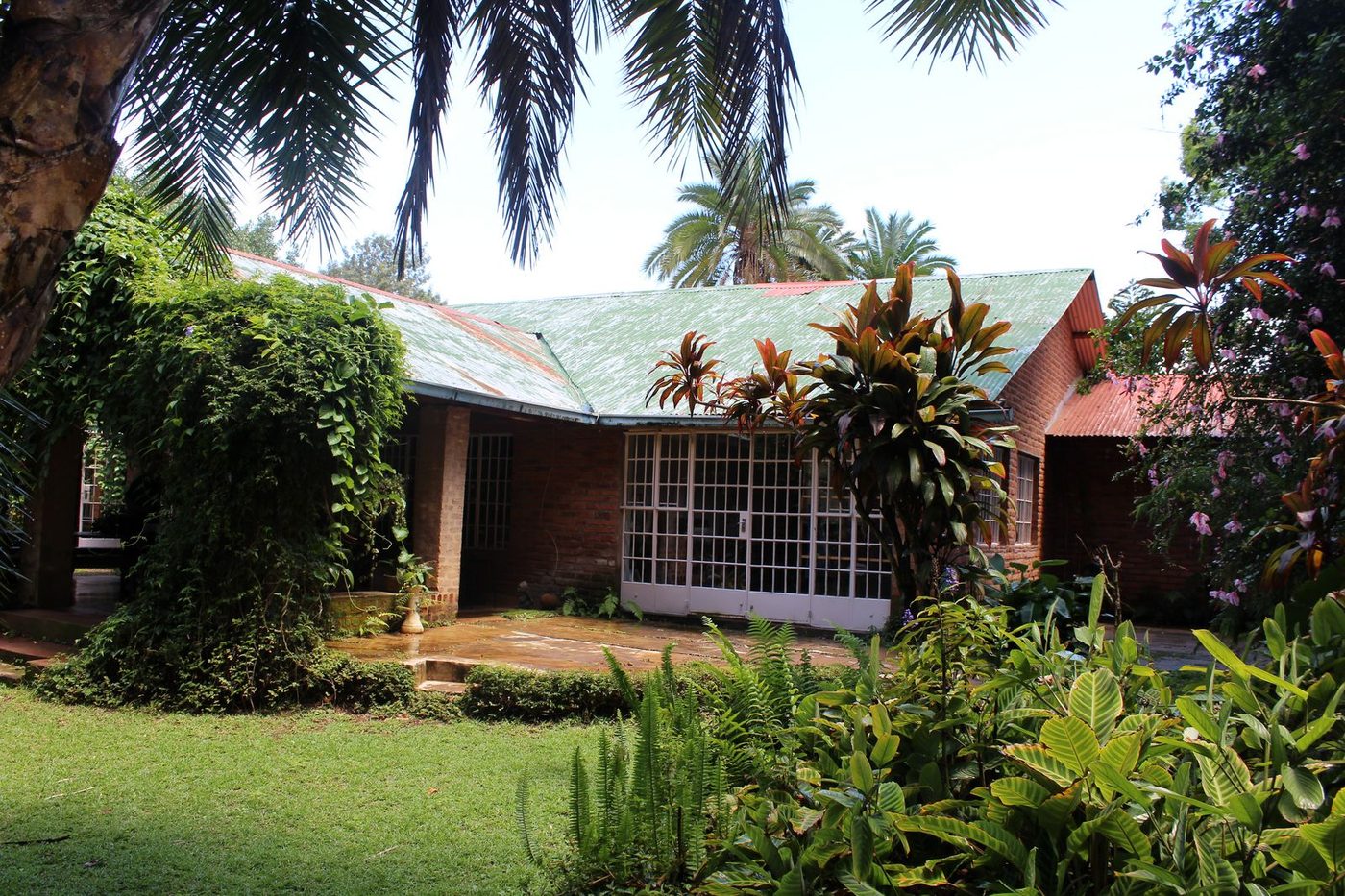
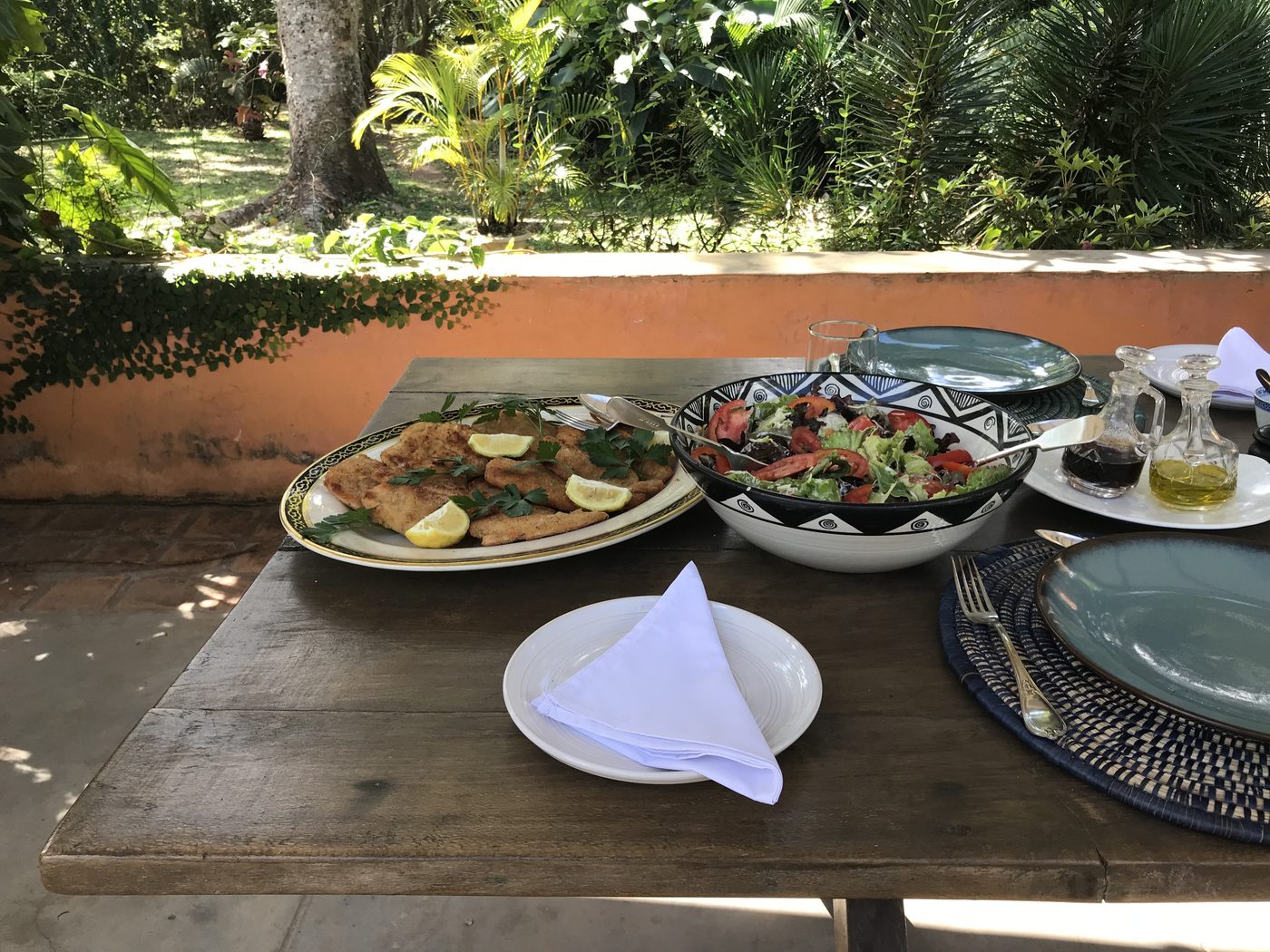
At The Thyolo House, the day is built around a quieter rhythm. Guests might take an independently booked regional visit in the morning, come back for an Italian lunch on the terrace (our owner Flavia is an Italian-Malawian artist, and the kitchen leans on what's grown in the gardens twenty metres from the table), spend the afternoon at the pool or in the garden and forest-edge areas where access is agreed, and finish with a long dinner. The five boutique rooms mean it never feels busy.
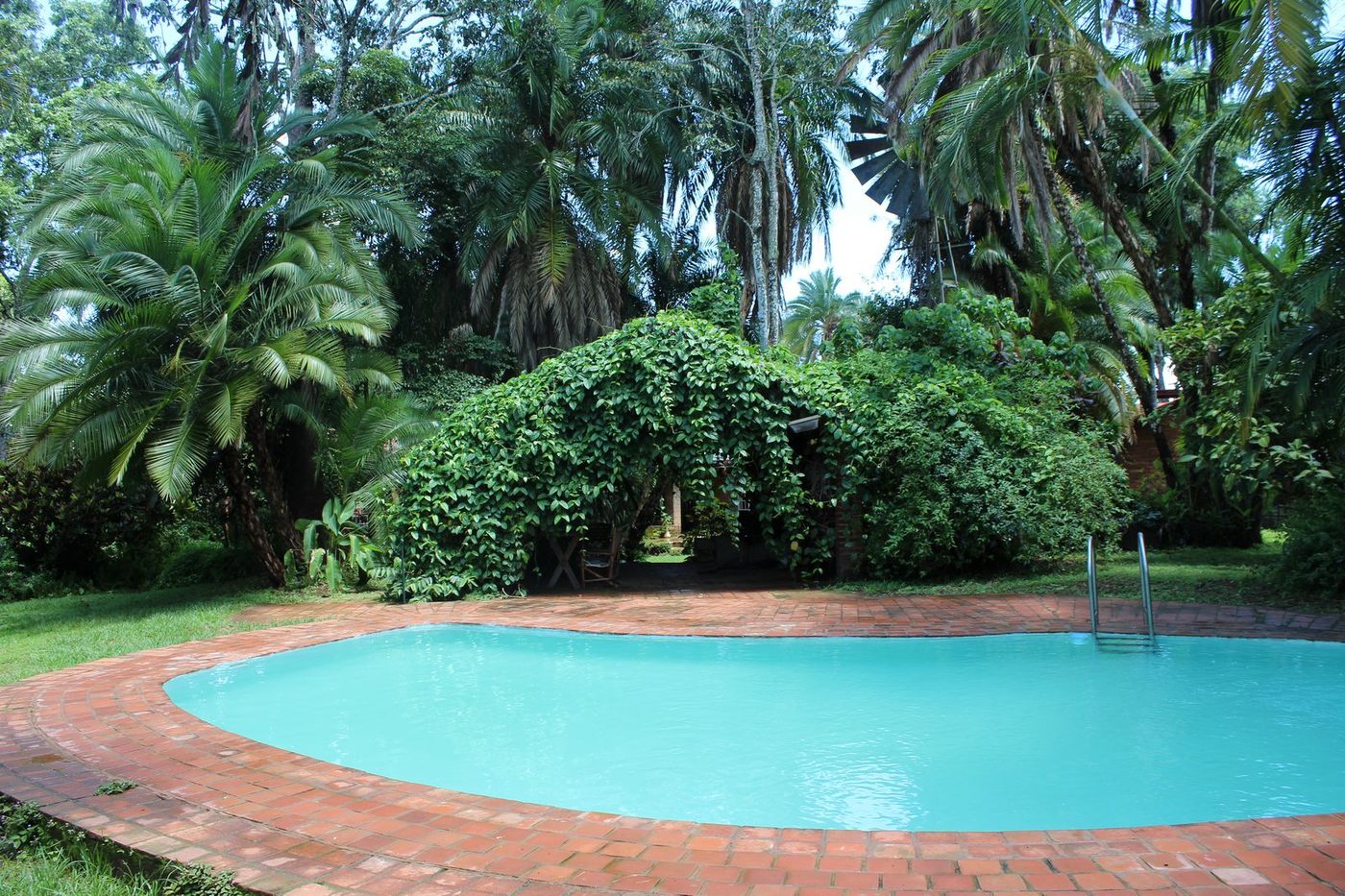
The forest-edge setting is worth a separate mention. Indigenous forest fragments are one of the last remaining habitats in this part of southern Malawi, and even a quiet hour near the trees in the late afternoon resets you completely after a morning in the sun. If you want art in the mix, Flavia runs occasional workshops in the studio — ask when you book.
Getting There: Distances from Blantyre, Limbe and Mulanje
Thyolo sits in a sweet spot for southern Malawi itineraries. Here are the practical numbers I quote most often:
- From Blantyre to The Thyolo House: roughly 40 minutes by car on the M2 south. Tarmac the whole way, no 4×4 needed.
- From Limbe to The Thyolo House: 20 minutes. Limbe is technically the closer base if you're catching an early flight from Chileka.
- From The Thyolo House to Satemwa Tea Country: about 25 minutes through the tea country.
- From The Thyolo House to Mulanje town (for Lujeri and the Mulanje estates): about an hour. Add 15–20 minutes to reach Lujeri itself.
- From Blantyre to Lujeri Tea Country direct: roughly 120 km, two hours.
- From The Thyolo House to Lake Malawi (Cape Maclear): about 4 hours. Most guests break the journey here on the way to or from the lake.
If you're trying to fit Thyolo and Mulanje into the same trip — and you should, they're very different — our broader tea estates Malawi visitor guide sketches a two- and three-day version of that route.
Five Practical Mistakes First-Time Visitors Make at Malawi's Tea Farms
After hosting hundreds of tea-curious guests, the same handful of errors come up again and again. Here they are, so you don't make them.
- Treating it as an independent visit from Lilongwe. Lilongwe to Thyolo is five hours each way. By the time you arrive, the morning light is gone and the factories are winding down. Base yourself in Blantyre, Limbe or — ideally — in the highlands.
- Arriving without booking. Covered above, but worth repeating. Forty-eight hours of WhatsApp lead time saves you from a wasted morning.
- Wearing the wrong shoes. Open sandals, flat-soled fashion trainers, anything with no grip — they all end the same way. Closed, gripped shoes.
- Skipping the visit. The visit is where you learn the difference between a Malawi black, a green, a white and the speciality hand-rolled teas the country has become quietly famous for in the last decade. It's the best 30 minutes of the visit.
- Not buying tea in the highlands. The factory shop prices are a fraction of what you'll pay anywhere else, and the freshness is on another level. Bring an empty bag.
If you would like to build a Thyolo stay around a long lunch, a pool afternoon, and wider southern Malawi travel, the easiest thing is to message us on WhatsApp or write to thethyolohouse@gmail.com. we can help with accommodation and meals at The Thyolo House. Specific estate visits, drivers, guides, and external activities should be confirmed directly with the operator concerned.
The tea farms Malawi is known for aren't going anywhere — they've been here for more than a century. But the best version of the region is the unhurried one, and that is the pace The Thyolo House is set up for.