/ By The Thyolo House
Malawi Tourism Beyond the Brochure: What Tea Country Locals Know
A journal from a boutique lodge in the Thyolo highlands. These are notes from our corner of Malawi — places we love, walks we've done ourselves, operators we've watched do good work. The mountain treks, tea-estate tours, and day trips are all run by independent operators in Malawi; book those directly with them. Come stay with us before or after — we'll do the room, the meal, and the quiet.
Malawi tourism has a particular reputation: the "Warm Heart of Africa," the lake, the friendly people, the quieter alternative to Kenya or Tanzania. All of which is true, and all of which is what the brochures say. But there's a version of Malawi tourism that doesn't make the glossy spreads — the version locals actually live in, the one where the country reveals itself slowly, through tea-highland mornings, garden paths before breakfast, and long lunches that stretch past the rains. From our perch on a historic property that was once part of the Conforzi Tea Estate in Thyolo, we see both sides. Guests arrive expecting one Malawi and discover another. This is a guide to that second one.
What Malawi Tourism Actually Looks Like From the Ground
On paper, Malawi is having its best tourism moment in decades. The sector's contribution to the economy climbed to K865.2 billion in 2024 and is projected to cross the K1 trillion mark in 2025. Bookings to Malawi doubled between 2023 and 2024 according to Go2Africa's safari report. In April 2025, government passed the Malawi Tourism Act — the first overhaul of tourism law since 1968 — establishing the new Malawi Tourism Authority. The 2025/26 budget for tourism development jumped 283%, from MK4.8 billion to MK18 billion. The "Best of Malawi 2026" brochure is in circulation. Mount Mulanje was inscribed on the UNESCO World Heritage List in 2024 under cultural criteria.
From the estate, all of that feels both true and slightly beside the point. Visitors who come to Thyolo don't usually arrive talking about UNESCO designations or budget lines. They arrive tired from a long flight via Addis or Johannesburg, they want a hot shower, and they want someone to tell them where the good food is. Malawi tourism, in practice, is logistical: getting from the airport in Lilongwe or Blantyre to wherever you're sleeping that night, figuring out the currency, learning that "just now" doesn't mean what you think it means. The macro story is real, but the lived story is small and human.
The Southern Highlands — Why Locals Send Visitors to Thyolo First
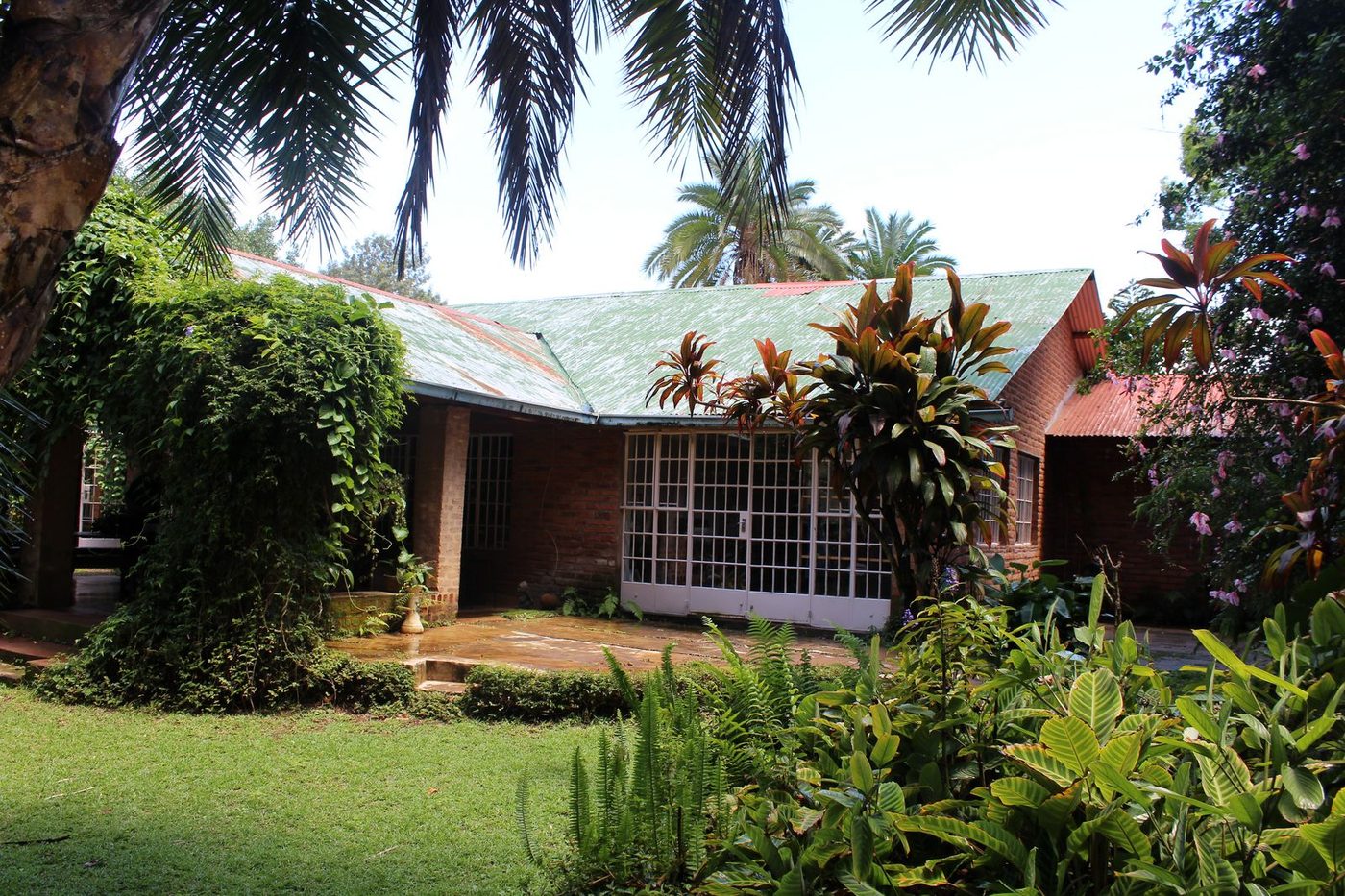
Ask anyone in Blantyre where to send a first-time visitor for a long weekend and you'll get a short list: Liwonde for safari, Lake Malawi for the obvious reasons, Mulanje for the hike. But people who live here often point independent visitors south first — into the tea country between Blantyre and Mount Mulanje, a 60-kilometre ribbon of estates, escarpments and ridge-top forest that doesn't quite show up on the international itinerary. There's a reason.
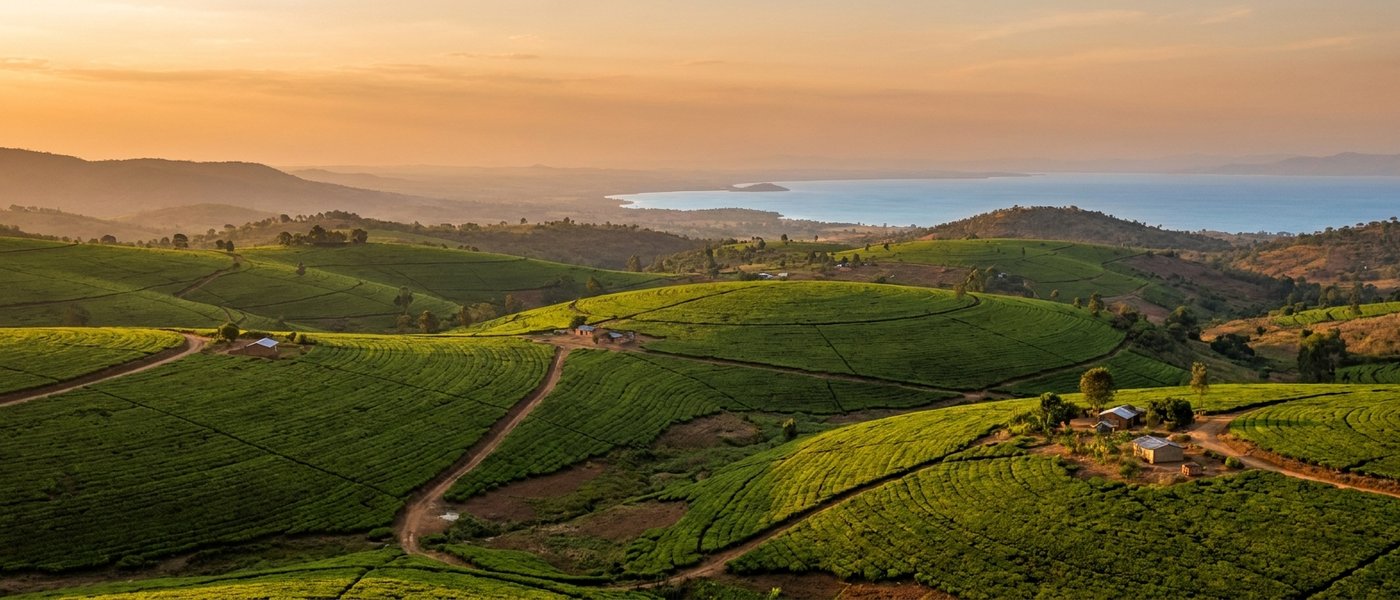
The southern highlands are where the country's climate softens. Thyolo sits around 800 metres above sea level, which means cool nights, mist-laced mornings, and afternoon temperatures that don't punish you. Tea has been grown here since 1908 — Satemwa, Naming'omba, Eastern Produce, Nchima, Nansato, Makandi, Conforzi, all within a short drive of each other. It's the kind of landscape that rewards staying put: green corridors, small villages tucked between estates, the indigenous Thyolo Forest Reserve full of butterflies and the endemic Thyolo alethe.
If you've read our notes on why Malawi is worth visiting in the first place, the short version is this: the country has no megafauna density to rival Tanzania, no beach scene to rival Zanzibar. What it has is texture. Tea country is where that texture is densest.
A Week in the Warm Heart: How to Pace a Real Malawi Trip
The mistake we see most often is over-scheduling. People land in Lilongwe, drive five hours south, do Mulanje in a day, do the tea estates in a day, drive five hours back to the lake, do a safari, fly out exhausted and slightly underwhelmed. Malawi doesn't reward that.
A more honest rhythm, for a seven-to-ten-day visit:
- Days 1–2: Land in Blantyre (Chileka International) rather than Lilongwe if you can. You're an hour closer to everything good in the south. Decompress for a day.
- Days 3–5: Base in the tea estates. independent visits to Mulanje's lower slopes, Satemwa for a factory visit arranged directly with the estate, nearby forest at dawn, slow afternoons.
- Days 6–7: Drive up to Liwonde National Park (about three hours) for a two-night safari — elephants, hippos, the Shire River.
- Days 8–10: Lake Malawi, ideally Cape Maclear or Likoma Island. The lake is its own world; give it more than a single afternoon.
The thing nobody writes in the guidebooks is that Malawi's roads, while improved, still favour daylight driving. The M1 between Blantyre and Lilongwe is fine; the lateral routes to the lake or to Liwonde can be slow. Build in buffer. We have a longer companion piece on slow-travel routes through tea country that breaks the southern leg down hour by hour.
Where to Base Yourself — The Case for a Tea Country Stay at The Thyolo House
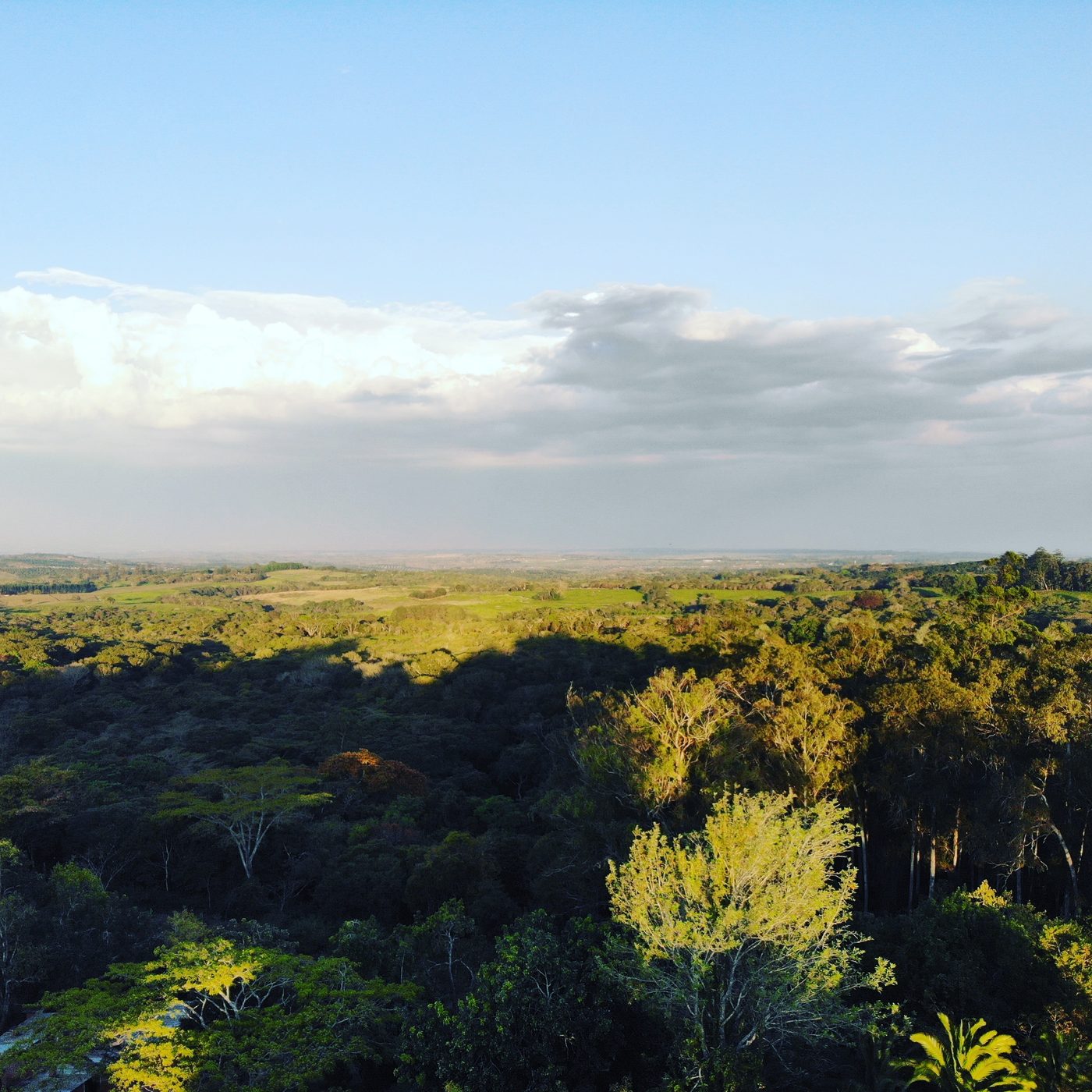
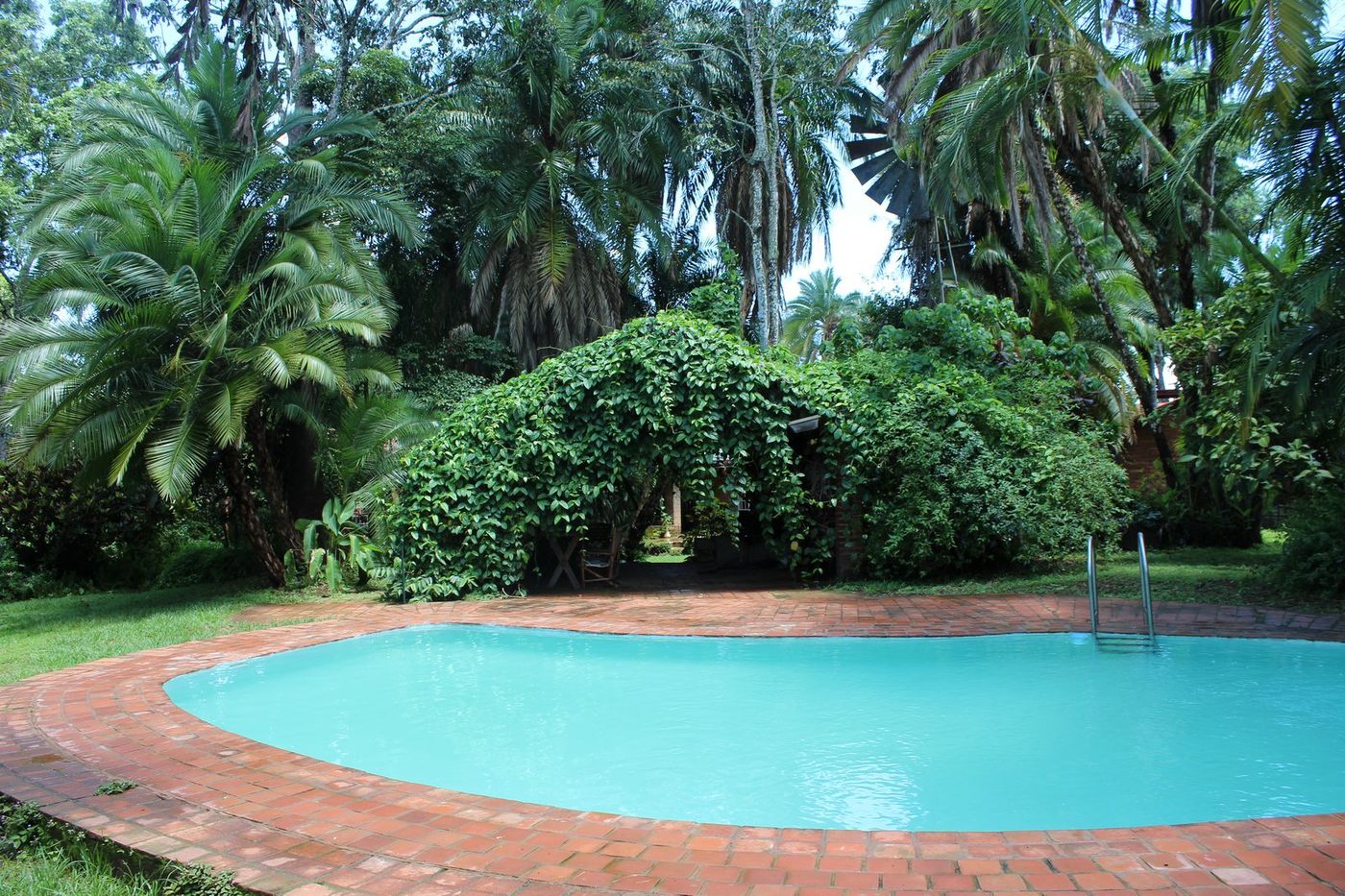
This is where we'll be honest about our own corner of the map. The Thyolo House is a five-room boutique lodge and restaurant on a historic property that was once part of the Conforzi Tea Estate — the only place to stay directly on Conforzi. The estate itself has a quieter pedigree than Satemwa next door; it's still a working tea farm with its own factory, and the family connection runs back generations. The lodge sits in the old estate house, restored, with a garden that runs into the bougainvillea, a pool, and a kitchen that's become a small reason in itself to drive up from Blantyre.
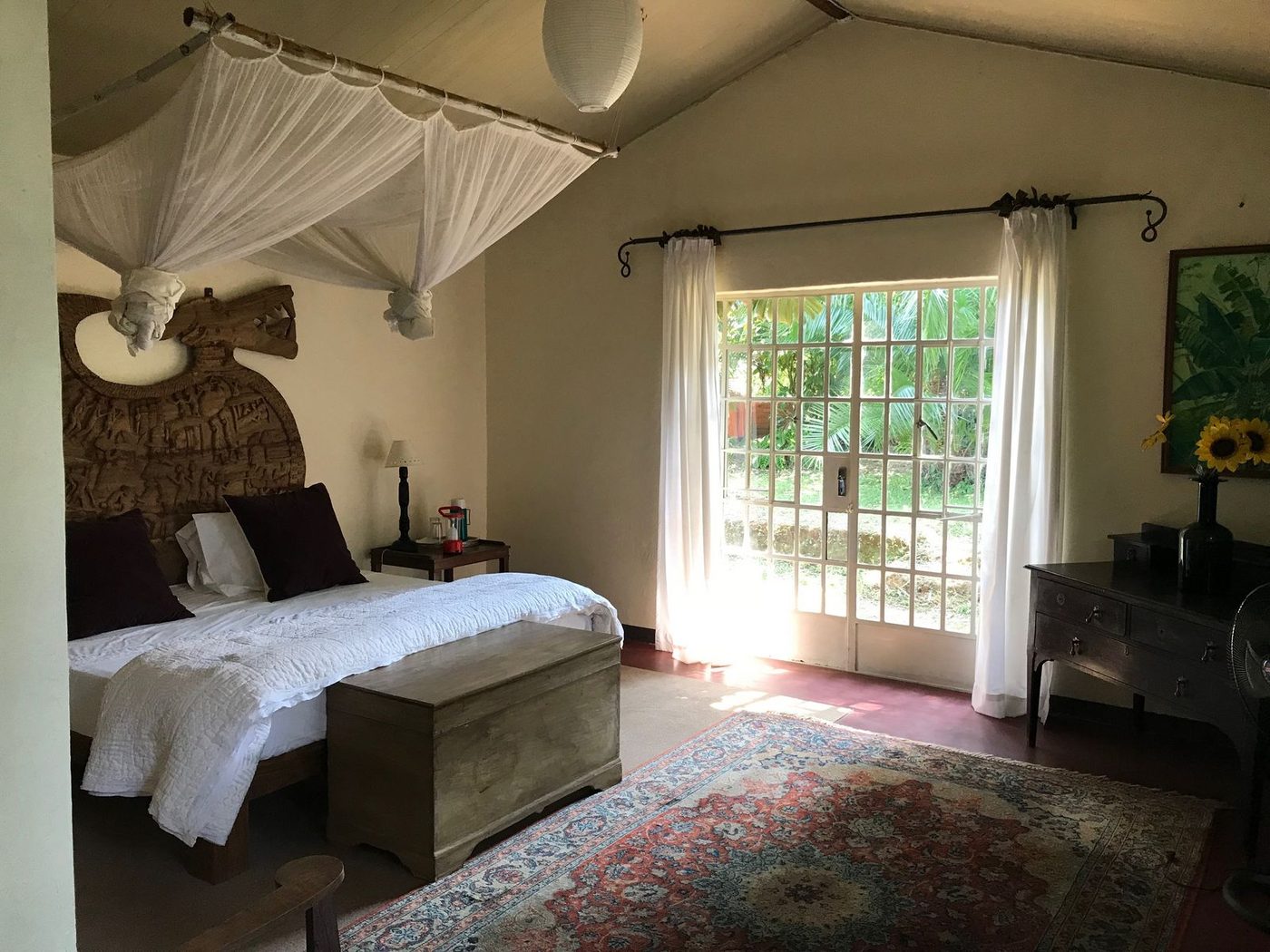
There are good options across the tea estates — Huntingdon House on Satemwa (a colonial home built in 1928), Chawani Bungalow for self-catering, CCAP House Likhubula closer to Mulanje. Each has a personality. Ours is run by Flavia Conforzi, an Italian-Malawian artist whose studio is open to guests, whose mother was the one who taught her how to make the puttanesca that ends up on the dinner menu, and whose approach to hospitality is essentially: come, stay, eat, walk, paint, swim, leave when you're ready. That's not a marketing line; it's literally how the place runs.
Logistically: we're about 20 minutes from Limbe, 40 minutes from Blantyre, 45 minutes from the base of Mount Mulanje, and roughly four hours from the southern end of Lake Malawi. For a week-long Malawi trip, basing here for the first three or four nights makes the rest of the route shorter, not longer.
Food, Forests and Flavia's Studio — The Slow Side of Malawi Tourism
If there's a single thing locals know about Malawi tourism that visitors miss, it's that the country does food better than it gets credit for. Not in a fine-dining-megacity way — there's no Lilongwe equivalent of Cape Town's restaurant row — but in a real, seasonal, ingredient-first way. The southern highlands grow almost everything: coffee, tea, macadamia, avocado, citrus, every vegetable you'd expect from a temperate kitchen. The fish from the lake is exceptional. The pork in the south is some of the best on the continent.
At the lodge, the kitchen leans Italian-fusion because that's Flavia's lineage. Pasta is made the morning it's served. The garden behind the restaurant is where the herbs come from. A typical dinner might run from a tomato carpaccio with basil cut twenty minutes earlier, through a hand-rolled pasta, into a pork chop from a local farm. None of this is unusual for tea-estate cooking in Thyolo — it's just unusual to find it in a Malawi tourism context, because so few visitors stay long enough in one place to eat properly.
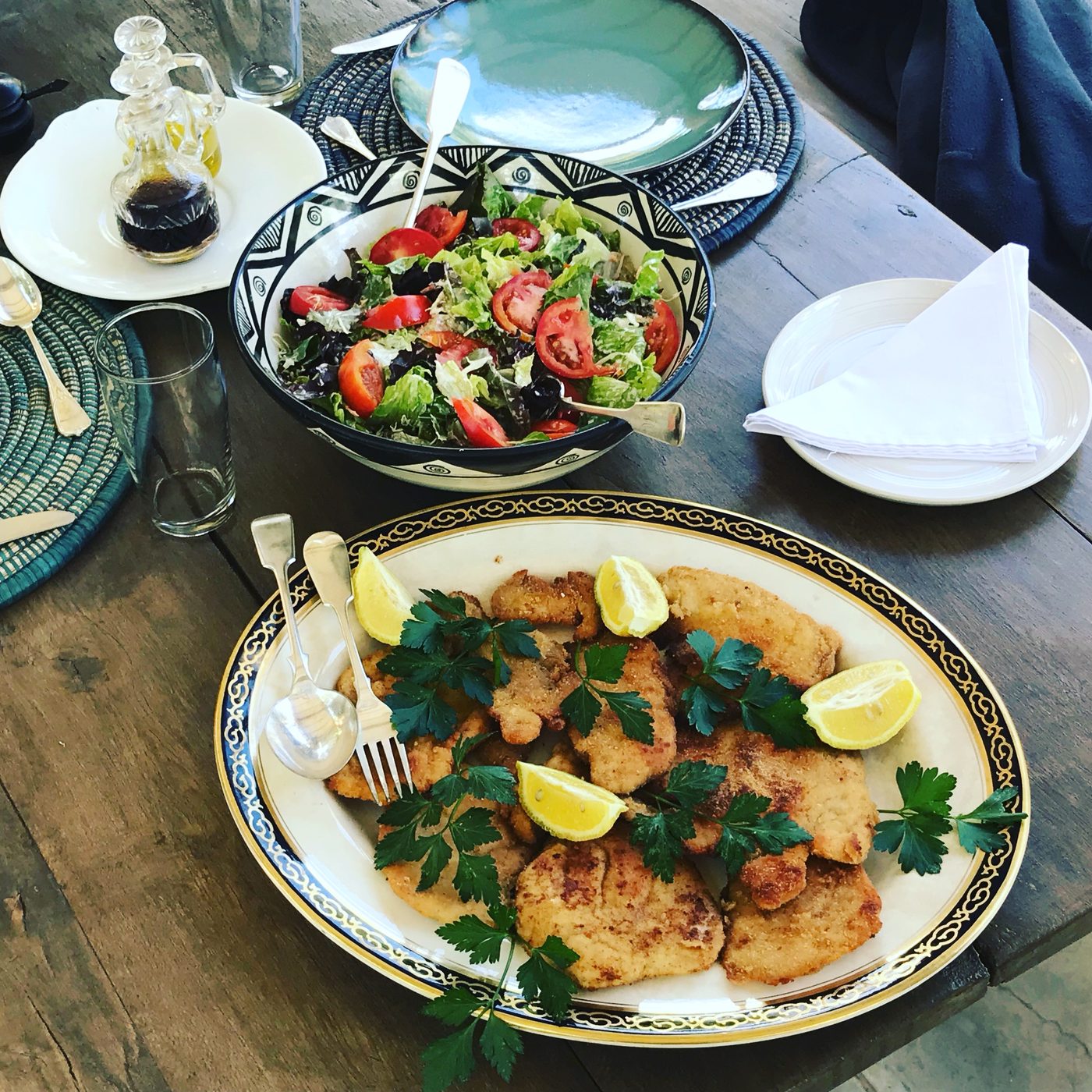
Beyond the food, the slow programme in the highlands is roughly: garden and forest-edge time, birding where access is permitted, occasional art workshops in Flavia's studio when she's running them, and the pool when the afternoon gets warm. The forest is where the journal includes more in our history of Thyolo Highlands — it's the part of the property that pre-dates the tea by a long way.
Practical Travel Notes: Visas, Roads, Seasons and What to Pack
A few things have changed in the last year that older guidebooks won't mention.
Visas (changed January 2026). The 2024 visa-waiver scheme was revoked. As of 2 January 2026, most nationalities again require a visa to enter Malawi. The e-visa portal is at evisa.gov.mw — apply in advance where possible. Single-entry tourist e-visa is around US$75; multiple-entry options run higher (sources cite up to US$250 for 12-month). Your passport needs six months' validity beyond your departure date plus at least one blank page. Visa on arrival is still available for most nationalities at the major entry points (Kamuzu International in Lilongwe, Chileka International in Blantyre, Mzuzu, Karonga, and the main land borders with Mozambique, Zambia, and Tanzania).
Seasons. The dry season runs May to October. This is the easy-travel window — cooler nights in the highlands, dry roads, the best hiking on Mulanje. November to April is the rainy season, which means dramatic green landscapes and afternoon storms but also some road challenges and higher humidity in the lowlands. For tea country specifically, May through August is the sweet spot: the tea is being plucked, the mornings are crisp, the visibility is long.
Mount Mulanje. Now UNESCO-listed, with 18 hiking routes from short base-level walks to multi-day plateau treks. Hut and permit fees change year-to-year and are managed by the Mount Mulanje Conservation Trust (MMCT). Current detailed fees aren't published reliably online — book through MMCT or the InfoMulanje office in Mulanje town. New operators have come on board for 2026: Africa Wild Truck is running solar-powered itineraries with in-house guide training, and Trek Mulanje is launching a Mulanje-Zomba Highlands Adventure linking the two ranges.
What to pack. Layers — Thyolo mornings can sit around 12-14°C in winter (June-July) and afternoons climb into the mid-20s. Proper walking shoes, not sandals. A power adapter (UK three-pin). Cash in small denominations: card acceptance is improving but not universal outside major hotels.
What to Skip (And What the Guidebooks Get Wrong)
A short, opinionated list, in the spirit of being useful rather than diplomatic:
- Don't try to do Mulanje as an independent visit from Lilongwe. It's a six-hour drive each way. You'll arrive, glance up at the massif, eat lunch, and drive back. Stay in tea country instead and do Mulanje from a base 45 minutes away.
- Don't underbook safari. Liwonde and Majete are excellent but need at least two nights. A single-night safari is a long drive for a single game drive.
- Don't expect to "see Malawi" in three days. The country is long and lateral roads are slow. Pick a region.
- Don't change money at the airport. Rates are better in town.
- Don't book the most famous lodge automatically. Some of the best stays in Malawi tourism are the small ones — five rooms, six rooms, a family kitchen, no marketing team.
The thing most international guides miss is the texture we mentioned earlier. They cover the lake, the parks, and Mulanje. They rarely write about an afternoon spent in Flavia's studio with a glass of wine and a half-finished painting, or the way the mist sits in the tea rows at six in the morning, or the fact that you can drive twenty minutes from a major town and be in primary forest. That's the part you have to come for.
If you're putting together a trip and want a sense of whether the estate is the right base for your week, the easiest thing is to message us on WhatsApp at +265 884 202 040, or write to thethyolohouse@gmail.com. The Thyolo House can confirm room and restaurant availability. Weather, routes, drivers, guides, tea visits, tours, and external activities should be checked or booked directly with the relevant providers. Malawi tourism rewards people who plan a little and then let the country do the rest — and tea country is a good place to let it happen.
Blog post drafted (1820 words). Saved nothing — the user only asked for HTML output. Want me to write it to a content file in `src/content/blog/` next?